Family Law Explained: Rights, Responsibilities and Resolutions
Comprehending Family Law: Safeguarding Families With Legal Assistance

Family Law is a vital area of the legal system that deals with matters concerning families and domestic partnerships. It offers the structure for settling matters pertaining to adoption, child custody, divorce, marriage, and more. Ensuring justice and fairness while defending the rights and interests of every family member—especially the most vulnerable, such children—is the aim of family law.
Family Law: What Is It?
A vast array of legal concerns pertaining to family ties are included in family law. It regulates people’s rights, obligations, and responsibilities in familial roles. Family law is the branch of law that handles the following cases: writing a prenuptial agreement, filing for divorce, and requesting custody of a child.
Typical Topics Covered by Family Law
Civil unions and marriage:
The legal prerequisites for marriage, such as legal capacity, age, and consent, are outlined in family law. It also covers domestic partnerships and civil unions, giving non-traditional relationships legal protection and respect.
Separation and Divorce
Family law offers the legal means of divorce or separation in the event of a marriage breakdown. It assists in deciding matters like asset distribution, spousal support (alimony), and the grounds for divorce (fault-based or no-fault).
Child Support and Custody
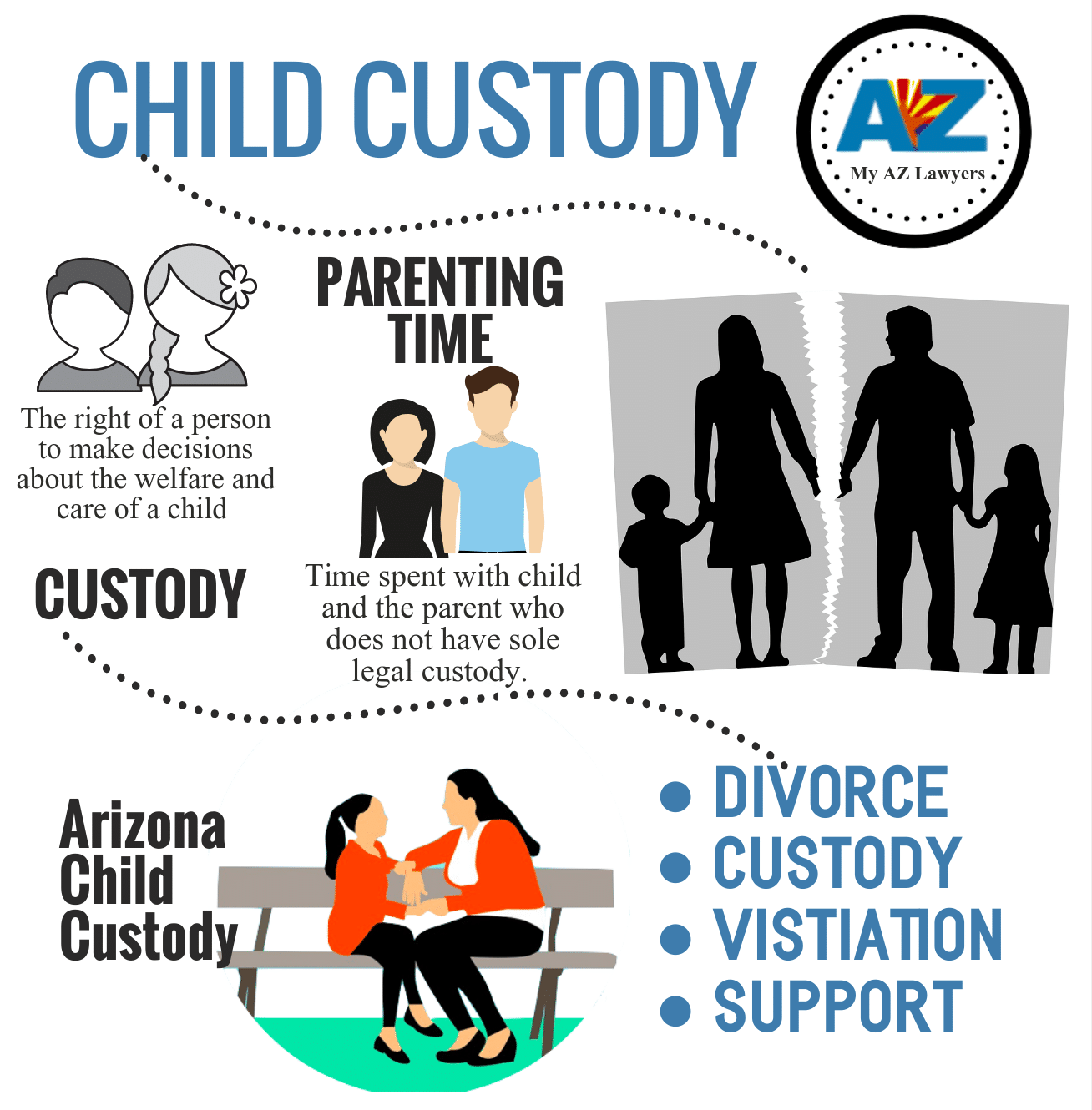
Choosing a child’s residence and the process for making judgments on their wellbeing are two of the most delicate aspects of family law. When determining custody and visitation, courts use the “best interests of the child” criteria. Child support also guarantees that both parents make financial contributions to the child’s upbringing.
Guardianship and Adoption
Legal adoption procedures are made easier by family law for people or couples looking to grow their families. Additionally, it offers legal guardianship arrangements, in which a person other than the biological parent takes charge of a child’s upbringing.
Property Division and Spousal Support
Courts have the authority to mandate that one spouse assist the other financially after a marriage ends. Depending on variables including the length of the marriage and each partner’s income, this support could be either temporary or permanent. Property division guarantees the equitable distribution of assets and obligations accrued during the marriage.
Protection Orders and Domestic Violence
Through protective or restraining orders, family law also shields victims of domestic abuse. These legal resources can shield victims from more harm and give them a route to justice and safety.

The Significance of Family Law
Family law affects actual people during some of the most trying and stressful periods of their lives; it is more than just a set of legal regulations. When families are going through significant upheavals, it offers safety, clarity, and order. It guarantees that obligations are clearly stated, rights are respected, and the results benefit all parties.
The Function of Family Law Firms
Legal experts who focus on family-related matters are known as family lawyers. They assist in drafting required legal documents, offer advice, negotiate settlements, and represent clients in court. In addition to being knowledgeable about the law, a family lawyer is also sensitive and compassionate, understanding the emotional strain that family conflicts may cause.
Family Conflict Resolution: Court and Mediation
Not every family conflict ends up in court. Through mediation, in which both sides collaborate with an impartial third party to come to an agreement, many problems can be settled. Compared to litigation, this approach is frequently quicker, less costly, and less combative. However, the court intervenes to render legally enforceable rulings when negotiation fails to produce a resolution.

Concluding remarks:
By addressing the legal facets of interpersonal and familial ties, family law plays a vital role in society. It guarantees that people—children in particular—are safeguarded at trying periods like divorce or custody disputes. Understanding family law is crucial to making safe and educated decisions for your future, whether you’re getting married, going through a divorce, or thinking about adopting a child.




Post Comment